


- (01)
SaaS App Development
We engineer scalable, multi-tenant architectures designed for rapid market expansion.
- (02)
Custom CRM Development
Future-ready CRM solutions designed around your workflows, teams, and customer experience.
- (03)
Website Development
We craft modern, responsive websites focused on performance, security, and user-friendly experiences.
- (04)
Mobile App Development
We craft high-fidelity iOS and Android experiences that drive retention and user engagement.
- (05)
E-commerce Website Development
We build conversion-optimized digital storefronts built to manage global scale.
- (06)
Creative Designing
We create data-informed UI/UX systems that elevate brand identity and user flow.
- (07)
Digital Marketing
We Execute high-ROI digital strategies that turn visibility into measurable revenue.















Our Work
Our work reflects our expertise in delivering innovative, scalable, and user-focused digital solutions. From custom software to modern web and mobile applications, we help businesses transform ideas into impactful products that drive growth, enhance user experience, and create long-term value in competitive markets.

Careers
Empower your professional journey at Tec-Sense. We are a collective of thinkers, creators, and problem-solvers dedicated to pushing technical boundaries. If you’re passionate about innovation and eager to shape the future of software development, explore our open roles and build your legacy with us today.


SaaS Tech Stack Comparison: Laravel vs Node vs Django
Choosing the right technology stack is one of the most critical decisions when building a SaaS platform. It directly impacts performance, scalability, development speed and long-term maintenance costs. A poor choice can slow down growth, while the right one can accelerate product success and user adoption.
Among the most popular backend technologies, Laravel, Node.js and Django stand out as reliable options for SaaS development. Each comes with its own strengths, limitations and ideal use cases. In this guide, we’ll break down how these technologies compare and help you decide which one best fits your SaaS product.
What is a SaaS Tech Stack?
A SaaS tech stack refers to the combination of technologies used to build and run a cloud-based software product. It typically includes frontend frameworks, backend technologies, databases, hosting infrastructure and integrations.
The backend framework plays a crucial role in determining how your SaaS application handles data, scales with users and integrates with external systems. When choosing a backend, businesses should focus on scalability, performance, security and time to market.
A well-chosen stack ensures smooth user experiences, faster development cycles and the flexibility to adapt as the product evolves.
Overview of Each Technology
Laravel
Laravel is a PHP-based framework known for its simplicity and structured development approach. It is widely used for building SaaS MVPs, admin dashboards and content-driven applications. Laravel offers built-in tools for authentication, routing and database management, making development faster and more organised. It is ideal for startups looking to launch quickly without overcomplicating architecture.
Node.js
Node.js is a JavaScript runtime that enables developers to build fast and scalable applications using a non-blocking, event-driven architecture. It is particularly well-suited for real-time applications such as chat platforms, live dashboards and collaborative tools. Node.js also supports microservices architecture, making it highly flexible for modern SaaS platforms.
Django
Django is a Python-based framework known for its security, scalability and robust architecture. It comes with many built-in features such as authentication, admin panels and ORM, reducing development effort. Django is a strong choice for data-heavy applications, AI-driven platforms and enterprise-grade SaaS products that require stability and security.
Laravel vs Node vs Django – Detailed Comparison
Performance & Speed
Node.js is often the fastest among the three due to its non-blocking architecture, making it ideal for real-time data processing. Django offers balanced performance with efficient request handling, while Laravel performs well for standard applications but may require optimisation for high concurrency environments.
Scalability
Node.js excels in scalability, especially with microservices and distributed systems. Django also scales effectively with a structured approach and strong database handling. Laravel can scale well but often requires additional infrastructure planning and optimisation as the application grows.
Development Speed
Laravel is known for rapid development, thanks to its clean syntax and built-in features. Django also enables fast development with its “batteries-included” approach. Node.js, while flexible, may require more setup and architectural decisions, which can slow down initial development.
Security
Django leads in security with built-in protections against common vulnerabilities like SQL injection and cross-site scripting. Laravel also offers strong security features such as authentication and encryption. Node.js security largely depends on how developers implement best practices and third-party libraries.
Ecosystem & Community
Node.js has the largest ecosystem with extensive libraries and tools available through npm. Django benefits from Python’s strong ecosystem, especially in AI and data science. Laravel has a solid and growing community, though smaller compared to Node.js.
Cost & Maintenance
Laravel is generally cost-effective for development and maintenance, making it ideal for startups. Node.js can scale efficiently but may lead to higher infrastructure costs over time. Django sits in the middle, offering a balance between performance and maintenance cost.
Laravel vs Node.js vs Django – Comparison Table
| Criteria | Laravel (PHP) | Node.js (JavaScript) | Django (Python) |
| Language Base | PHP | JavaScript (Node runtime) | Python |
| Architecture Style | MVC (Structured & Opinionated) | Event-driven, Non-blocking | MVT (Model-View-Template) |
| Performance | Strong for standard web apps | Excellent for real-time & high concurrency | High performance with optimisation |
| Scalability | Good with proper architecture | Highly scalable for microservices & APIs | Scalable for data-heavy applications |
| Best Use Cases | Web apps, SaaS platforms, eCommerce | Real-time apps, APIs, streaming, chat apps | Data-driven apps, AI/ML platforms, enterprise systems |
| Development Speed | Fast with built-in tools & packages | Fast with npm ecosystem | Fast due to “batteries-included” approach |
| Security Features | Built-in authentication & protection tools | Depends on implementation & libraries | Strong built-in security (CSRF, XSS, ORM protection) |
| Community & Ecosystem | Large PHP ecosystem | Massive global JS ecosystem | Strong Python community with AI/ML support |
When to Choose Each?
Choose Laravel if:
Laravel is a great choice when you need to build and launch an MVP quickly. It works well for SaaS products that require admin panels, dashboards or content management features. If budget is a concern and speed to market is critical, Laravel offers a practical and efficient solution.
Choose Node.js if:
Node.js is ideal for SaaS platforms that rely on real-time functionality such as messaging systems, live analytics or collaborative tools. It is also a strong choice for applications expecting high user concurrency and those built on microservices architecture.
Choose Django if:
Django is best suited for data-driven SaaS platforms, especially those involving AI, machine learning or complex data processing. It is also a reliable option for applications where security and stability are top priorities, such as fintech or healthcare platforms.
Best Tech Stack for Different SaaS Types
Different SaaS products require different technical approaches. For MVP development, Laravel provides the fastest route to launch. Real-time SaaS applications benefit from Node.js due to its speed and concurrency handling.
For AI-based SaaS platforms or data-heavy systems, Django stands out because of its integration with Python’s data ecosystem. Enterprise SaaS solutions often use Node.js or Django, depending on whether the focus is on scalability or data complexity.
Final Verdict
There is no one-size-fits-all solution when it comes to choosing a SaaS tech stack. Laravel, Node.js and Django each serve different purposes and excel in different scenarios.
The right choice depends on your business goals, product complexity and long-term scalability needs. Startups may prioritise speed and cost, while enterprises focus on performance and architecture.
In many cases, modern SaaS platforms even combine multiple technologies using microservices to get the best of each ecosystem.
Ready to Build Your SaaS Platform?
At Tec-Sense, we specialise in building scalable, high-performance SaaS applications tailored to your business needs. Whether you choose Laravel, Node.js or Django, our experts help you select the right stack and turn your idea into a powerful digital product.
FAQs
Which tech stack is best for SaaS development in 2026?
The best tech stack depends on your product requirements. Node.js is ideal for real-time and scalable applications, Laravel suits structured web platforms, while Django is best for data-driven and AI-powered SaaS solutions.
How do I choose between Laravel, Node.js and Django for my project?
Choose based on your use case. Laravel is great for rapid development and business applications, Node.js works well for real-time systems, and Django excels in handling complex data and backend-heavy platforms.
Which framework offers better scalability for SaaS platforms?
Node.js offers excellent scalability for high-concurrency and microservices-based systems. Django supports scalable data-driven applications, while Laravel provides reliable scalability for structured and enterprise-grade SaaS platforms.
Is Node.js suitable for enterprise SaaS applications?
Yes, Node.js is widely used for enterprise SaaS applications, especially those requiring real-time processing, APIs and high performance. Its event-driven architecture makes it highly efficient for scalable systems.
Can I migrate my existing SaaS platform to another tech stack?
Yes, migration is possible with proper planning. Businesses often migrate to improve performance, scalability or maintainability. A structured migration approach ensures minimal disruption and preserves data integrity.

About Tec-sense
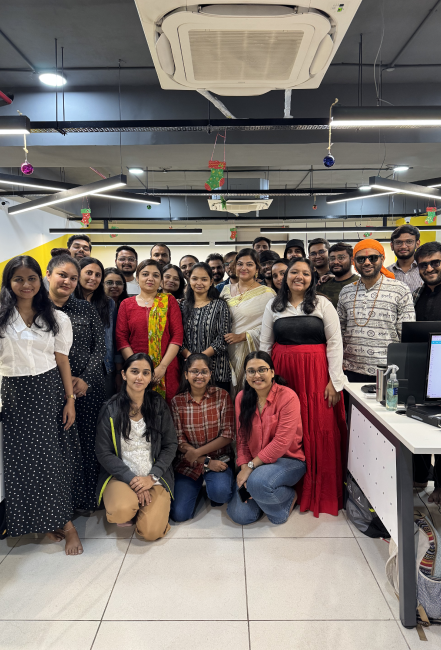
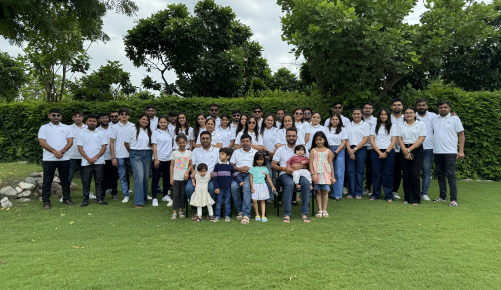
Our team brings together designers, developers, strategists, and marketing experts under one roof, making collaboration seamless and execution faster.
Learn MoreAuthor
 tec-sense
Recent Posts
- 11-08-2026
- CRM Development
How Much Does Custom CRM Development Cost in 2026? A Complete Pricing Guide
- 05-08-2026
- CRM Development
Choosing a CRM Development Company? 20 Things to Check Before Signing a Contract
- 17-07-2026
- SaaS Development
Before You Build a SaaS Product: 10 Questions Every Founder Should Answer
Industry Recognition
Clutch

Featured as a trusted service provider with verified client reviews and strong project outcomes.
2014
Upwork

A trusted development partner with a proven track record and long-term collaborations.
2015
Behance

Home to our best creative and UI/UX design work — curated and showcased globally.
2020
Dribbble

Showcasing our best UI/UX and creative design work - crafted for engaging digital experiences.
2023

Five-star rated for the way we treat our partners.
2014