


- (01)
SaaS App Development
We engineer scalable, multi-tenant architectures designed for rapid market expansion.
- (02)
Website Development
We craft modern, responsive websites focused on performance, security, and user-friendly experiences.
- (03)
Mobile App Development
We craft high-fidelity iOS and Android experiences that drive retention and user engagement.
- (04)
E-commerce Website Development
We build conversion-optimized digital storefronts built to manage global scale.
- (05)
Creative Designing
We create data-informed UI/UX systems that elevate brand identity and user flow.
- (06)
Digital Marketing
We Execute high-ROI digital strategies that turn visibility into measurable revenue.














Our Work
Our work reflects our expertise in delivering innovative, scalable, and user-focused digital solutions. From custom software to modern web and mobile applications, we help businesses transform ideas into impactful products that drive growth, enhance user experience, and create long-term value in competitive markets.

Careers
Empower your professional journey at Tec-Sense. We are a collective of thinkers, creators, and problem-solvers dedicated to pushing technical boundaries. If you’re passionate about innovation and eager to shape the future of software development, explore our open roles and build your legacy with us today.

Is Your Frontend Architecture Hurting Your SEO Rankings?

Is Your Frontend Architecture Hurting Your SEO Rankings?
Most businesses invest significant time and budget into content creation, keyword research and link building, yet many still struggle to achieve consistent organic growth. While these factors remain important, there is another critical element that often goes unnoticed: frontend architecture.
You may have a beautifully designed website and high-quality content, but if search engines struggle to crawl, render or understand your pages, your rankings can suffer. This is where frontend architecture SEO becomes essential.
Modern websites rely heavily on JavaScript frameworks, dynamic content and interactive user experiences. While these technologies improve functionality, they can also create technical barriers that negatively impact search visibility when implemented incorrectly.
As search engines continue to evolve, technical performance has become increasingly important. Factors such as page speed, crawlability, rendering, mobile responsiveness and Core Web Vitals all influence how effectively a website performs in search results.
In this guide, we will explore the relationship between frontend architecture and SEO, explain how website architecture affects SEO, identify common technical mistakes and provide practical recommendations to help businesses improve both search visibility and user experience.
What Is Frontend Architecture?
Frontend architecture refers to the structure, technologies and design patterns used to build the user-facing side of a website or web application.
It includes:
- Navigation systems
- Page layouts
- User interface components
- JavaScript frameworks
- CSS architecture
- Rendering methods
- Responsive design elements
- Interactive functionality
Think of frontend architecture as the foundation of a building. A building may look impressive from the outside, but if its structure is poorly planned, occupants will quickly encounter problems. The same principle applies to websites.
Strong frontend architecture supports both users and search engines. Visitors should be able to navigate easily, access information quickly and enjoy a seamless experience across devices. At the same time, search engines should be able to crawl, render and index content efficiently.
This is why frontend architecture and SEO are closely connected. A website that prioritises visual design but ignores technical structure often experiences ranking issues, poor user engagement and reduced organic growth.
How Search Engines Process Your Website
To understand how website architecture affects SEO, it is important to understand how search engines process websites.
Google generally follows four stages:
Discovery
Search engines discover pages through:
- Internal links
- XML sitemaps
- Backlinks
- Previous crawls
Poor navigation and weak linking structures can make important pages difficult to find.
Crawling
Google’s crawlers access page resources including:
- HTML
- CSS
- JavaScript
- Images
- Structured data
Heavy JavaScript dependencies or blocked resources can limit crawl efficiency.
Rendering
Rendering is where many modern websites encounter challenges.
Search engines must execute JavaScript and process dynamic content before fully understanding a page.
If important content is only available after extensive JavaScript execution, search engines may struggle to access it efficiently.
Indexing
Once a page is rendered, Google decides whether it should be indexed.
Indexing depends on factors such as:
- Content quality
- Technical accessibility
- User experience
- Internal linking
- Website performance
Problems during any of these stages can reduce rankings and visibility.
Signs Your Frontend Architecture May Be Hurting SEO
Many businesses are unaware that technical limitations are affecting their rankings.
Common warning signs include:
Slow Page Loading Times
Slow-loading pages increase bounce rates and reduce user satisfaction. They also negatively impact SEO performance.
Poor Core Web Vitals Scores
Failing Google’s performance metrics can affect user experience and search visibility.
Delayed Indexing
If new pages take weeks to appear in search results, technical issues may be preventing efficient crawling and rendering.
Mobile Performance Problems
Google primarily uses mobile-first indexing. Websites that perform poorly on mobile devices often struggle to compete in search results.
JavaScript Rendering Issues
Important content hidden behind JavaScript can make it difficult for search engines to understand and index pages properly.
Weak Internal Linking
Poor navigation structures reduce crawl efficiency and make it harder for search engines to discover valuable content.
Frontend Architecture Elements That Directly Impact SEO
Several frontend architecture components have a direct influence on search performance.
Site Speed and Performance
Page speed remains one of the most important technical factors affecting user experience.
Common causes of poor performance include:
- Large JavaScript bundles
- Unoptimised images
- Excessive third-party scripts
- Render-blocking resources
- Poor caching strategies
Faster websites generally experience:
- Lower bounce rates
- Higher engagement
- Better conversion rates
- Improved SEO performance
Website Structure and Navigation
Website architecture SEO depends heavily on logical structure.
An effective website should:
- Have clear navigation
- Use descriptive URLs
- Maintain shallow click depth
- Support strong internal linking
A well-organised structure helps both users and search engines understand content relationships.
Mobile Responsiveness
Mobile responsiveness is no longer optional.
Businesses should ensure:
- Responsive layouts
- Fast mobile loading times
- Touch-friendly interfaces
- Consistent user experiences across devices
Structured Data
Structured data helps search engines understand page content more effectively and can improve eligibility for rich search results.
Core Web Vitals SEO: Why It Matters
Core Web Vitals SEO has become an essential part of technical optimisation.
These metrics measure real-world user experience.
| Metric | Measures | Why It Matters |
| Largest Contentful Paint (LCP) | Loading performance | Faster perceived load times |
| Interaction to Next Paint (INP) | Responsiveness | Better user interactions |
| Cumulative Layout Shift (CLS) | Visual stability | Improved usability |
Largest Contentful Paint (LCP)
LCP measures how quickly the main content becomes visible.
Poor frontend architecture often results in:
- Heavy resources
- Slow servers
- Render-blocking scripts
Interaction to Next Paint (INP)
INP evaluates responsiveness.
Excessive JavaScript execution can make websites feel slow and unresponsive.
Cumulative Layout Shift (CLS)
CLS measures visual stability.
Unexpected layout changes create poor user experiences and lower quality perceptions.
Improving these metrics benefits both users and search engines.
Frontend Architecture and SEO: Understanding Rendering Methods
One of the most important technical SEO website architecture decisions involves rendering.
Client-Side Rendering (CSR)
With CSR, JavaScript builds content within the browser.
Advantages:
- Highly interactive experiences
- Rich applications
Challenges:
- Rendering delays
- Potential crawl issues
- Increased JavaScript dependency
Server-Side Rendering (SSR)
SSR generates content on the server before delivering pages to users.
Advantages:
- Better crawlability
- Faster initial rendering
- Improved SEO performance
Static Site Generation (SSG)
SSG creates pages during the build process.
Advantages:
- Exceptional speed
- Excellent crawlability
- Strong SEO performance
For many businesses focused on organic growth, SSR and SSG often provide significant SEO advantages.
React SEO Optimisation: What Businesses Need to Know
React is one of the most popular frontend technologies used today.
However, React SEO optimisation requires careful implementation.
Many React applications rely heavily on client-side rendering, which can create challenges for search engines.
Common React SEO issues include:
- Delayed content rendering
- Crawl inefficiencies
- Missing metadata
- Poor Core Web Vitals
Fortunately, modern React ecosystems offer solutions.
Best Practices for React SEO Optimisation
- Use Next.js where appropriate
- Implement server-side rendering
- Use static generation for content pages
- Optimise metadata
- Improve Core Web Vitals
- Create crawlable internal links
When implemented correctly, React can support excellent SEO performance while delivering modern user experiences.
JavaScript SEO Best Practices
JavaScript powers many modern websites, but poor implementation can create SEO problems.
Following JavaScript SEO best practices can help avoid common issues.
Keep Critical Content Accessible
Important content should be available to search engines without requiring complex interactions.
Reduce JavaScript Bloat
Large JavaScript bundles increase loading times and negatively impact user experience.
Use Lazy Loading Carefully
Lazy loading can improve performance, but important content should remain accessible to search engines.
Optimise Internal Links
Links should use crawlable HTML elements rather than relying entirely on JavaScript events.
Test Rendering
Regularly verify how search engines render pages using technical SEO tools.
Technical SEO Website Architecture Checklist
Businesses looking to improve search performance should regularly review the following:
Crawlability
- XML sitemap available
- Robots.txt configured correctly
- No blocked critical resources
Site Structure
- Clear hierarchy
- Logical URL structure
- Strong internal linking
Performance
- Fast page speed
- Optimised images
- Efficient JavaScript delivery
Mobile Experience
- Responsive design
- Mobile usability testing
- Fast mobile loading
Technical SEO
- Structured data implemented
- Canonical tags configured
- Metadata optimised
How to Build an SEO-Friendly Frontend Architecture
The most successful websites integrate SEO considerations from the beginning rather than treating them as an afterthought.
To create an SEO-friendly frontend architecture:
1. Prioritise crawlability.
2. Optimise website structure.
3. Improve Core Web Vitals.
4. Minimise unnecessary JavaScript.
5. Strengthen internal linking.
6. Optimise mobile experiences.
7. Implement structured data.
8. Monitor technical performance regularly.
Businesses that align development and SEO teams early in the process typically achieve stronger long-term results.
Conclusion
Frontend architecture plays a far greater role in SEO success than many businesses realise. Search engines must be able to discover, crawl, render and understand your content before rankings can improve.
Whether you are using React, Next.js, WordPress or a custom-built platform, technical decisions directly affect performance, crawlability and user experience.
By focusing on frontend architecture SEO, improving Core Web Vitals, following JavaScript SEO best practices and creating a strong technical SEO website architecture, businesses can build a foundation that supports sustainable organic growth.
The reality is simple: great content alone is not enough. If your frontend architecture creates barriers for users or search engines, your rankings will eventually suffer. Investing in a technically sound website architecture today can deliver long-term SEO benefits tomorrow.
Frequently Asked Questions
Does frontend architecture affect SEO rankings?
Yes. Frontend architecture influences crawlability, rendering, page speed, mobile usability and Core Web Vitals, all of which can impact search performance.
What is the relationship between frontend architecture and SEO?
Frontend architecture determines how content is delivered and accessed. Poor implementation can create barriers for search engines, while strong architecture improves visibility and user experience.
How does website architecture affect SEO?
Website architecture affects crawlability, internal linking, content discovery and indexation. A well-structured website helps search engines understand content relationships more effectively.
Is React bad for SEO?
No. React is not inherently bad for SEO. However, React applications require proper optimisation, including server-side rendering or static generation where appropriate.
What are the most important JavaScript SEO best practices?
Key best practices include reducing JavaScript bloat, improving rendering performance, maintaining crawlable links, optimising Core Web Vitals and ensuring important content remains accessible to search engines.


About Tec-sense
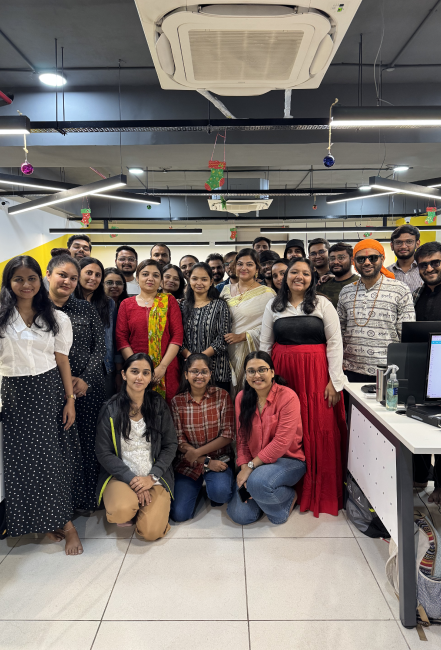
Our team brings together designers, developers, strategists, and marketing experts under one roof, making collaboration seamless and execution faster.
Learn MoreAuthor
 tec-sense


Industry Recognition
Clutch

Featured as a trusted service provider with verified client reviews and strong project outcomes.
2014
Upwork

A trusted development partner with a proven track record and long-term collaborations.
2014
Behance

Home to our best creative and UI/UX design work — curated and showcased globally.
2012

Five-star rated for the way we treat our partners.
2014